
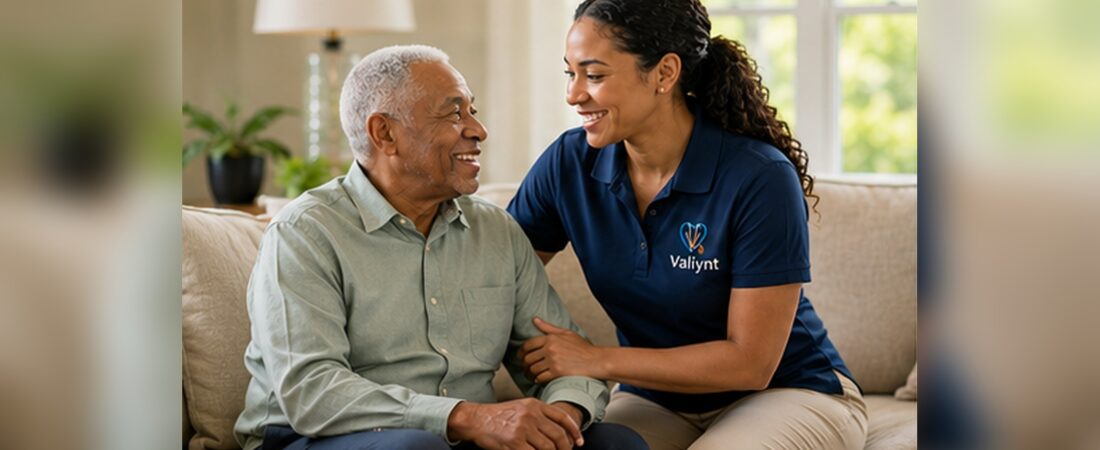
Leaving a hospital or rehabilitation facility can feel like the finish line, but for many families it is really the start of a new phase. The first days at home often involve a long list of ordinary tasks that suddenly matter more: meals, bathing, dressing, mobility, household routines, transportation, and making sure someone is present when the person should not be alone.
That is where nonmedical hospital-to-home support can fit. It can make daily life easier and help a family carry out a discharge plan, but it has clear limits. Understanding those limits before discharge helps families build the right combination of support instead of expecting one service to do everything.
What nonmedical hospital-to-home support can help with
Nonmedical personal assistance is centered on everyday living. Depending on the authorized service plan and provider scope, support may include help with bathing, dressing, grooming, toileting, meal preparation, light household tasks, mobility assistance, companionship, and routine errands. Families can also use nonmedical support to create more consistent coverage during the hours when relatives cannot be present.
For a person returning home after a hospitalization or rehab stay, those ordinary tasks can be the difference between a manageable first week and a chaotic one. A family may have excellent discharge instructions and still need someone to help make breakfast, keep frequently used items within reach, assist with routine personal care, or stay nearby while the person moves through the home.
What it cannot replace
Nonmedical support is not a substitute for skilled nursing, physical therapy, occupational therapy, speech therapy, medical assessment, emergency care, or other clinical services ordered by a physician or qualified clinician. It should not be used to diagnose symptoms, change a treatment plan, perform clinical monitoring, or take over tasks that require a licensed professional.
If discharge instructions call for home health, therapy, wound care, injections, or another clinical service, the family should arrange those services separately. Nonmedical help can work alongside clinical providers by supporting daily routines around the care plan, but the roles are different.
Build the first-day plan before the ride home
The safest time to identify gaps is before discharge. Ask who will be at the home when the person arrives, how they will get inside, whether stairs or narrow walkways create a problem, who will prepare the first meal, and what will happen if the person needs help using the bathroom during the night.
A useful first-day plan covers five areas:
- Arrival: transportation, keys, entry into the home, and a clear path to the bedroom or preferred chair.
- Personal care: bathing, dressing, toileting, grooming, and any mobility assistance the person is expected to need.
- Meals and hydration: food that matches the discharge instructions, drinking water within reach, and someone responsible for preparation.
- Household setup: clear walkways, frequently used items placed safely, trash removed, laundry handled, and basic supplies stocked.
- Coverage: who will be present during the day, evening, overnight, and any periods when the person should not be left alone.
Do not confuse “someone is home” with a complete plan
Families often divide coverage informally: one person comes in the morning, another checks in after work, and a neighbor can be called if something happens. That may work for a light-support situation, but it can leave dangerous gaps if the person needs hands-on assistance several times during the day.
Write the schedule down. Mark the hours that already have reliable family coverage and the hours that do not. Then match the uncovered periods to the actual tasks that occur during them. This makes it easier to decide whether a few scheduled hours of help are enough or whether the family should consider a more structured home-support plan.
Know when the situation needs clinical or emergency help
Families should follow the discharge team’s instructions for symptoms, medication questions, follow-up appointments, and clinical concerns. If a new or worsening problem appears, contact the appropriate medical provider rather than relying on a nonmedical caregiver to evaluate it.
If there is an immediate danger or a medical emergency, call 911.
How Valiynt fits into the planning conversation
Valiynt Health Group is preparing for planned nonmedical Personal Assistance Services in Southeast Texas. The goal of this type of support is practical: help families organize the daily-life portion of a safe return home while keeping medical care with the appropriate clinical professionals.
Families in Beaumont, Port Arthur, Orange, and surrounding Southeast Texas communities can use the same planning framework even before services are needed. Start by listing the tasks the person can do independently, the tasks that require another person, and the hours when reliable help is not currently available.
Frequently asked questions
Can nonmedical home care replace home health after a hospital stay?
No. Nonmedical personal assistance and home health serve different purposes. Clinical services such as skilled nursing or therapy should be provided by appropriately licensed clinical professionals when ordered or needed.
Can a nonmedical caregiver stay with someone for extended hours after discharge?
Extended-hour coverage may be part of a nonmedical support plan when available and appropriate, but families should define the actual tasks and coverage periods rather than assuming continuous presence alone solves every care need.
Should we wait until discharge day to arrange help?
It is usually easier to identify coverage gaps before discharge. Families can map the first day, first night, and first week so transportation, meals, personal care, household needs, and follow-up appointments are not left to chance.
What if the person needs both clinical care and help with daily activities?
Those services can be coordinated as separate parts of the overall plan. Clinical providers handle medical and therapy needs, while nonmedical support can focus on permitted daily-living assistance.
Valiynt Health Group is completing Texas HCSSA licensing for planned nonmedical Personal Assistance Services. Service availability will follow licensure.