
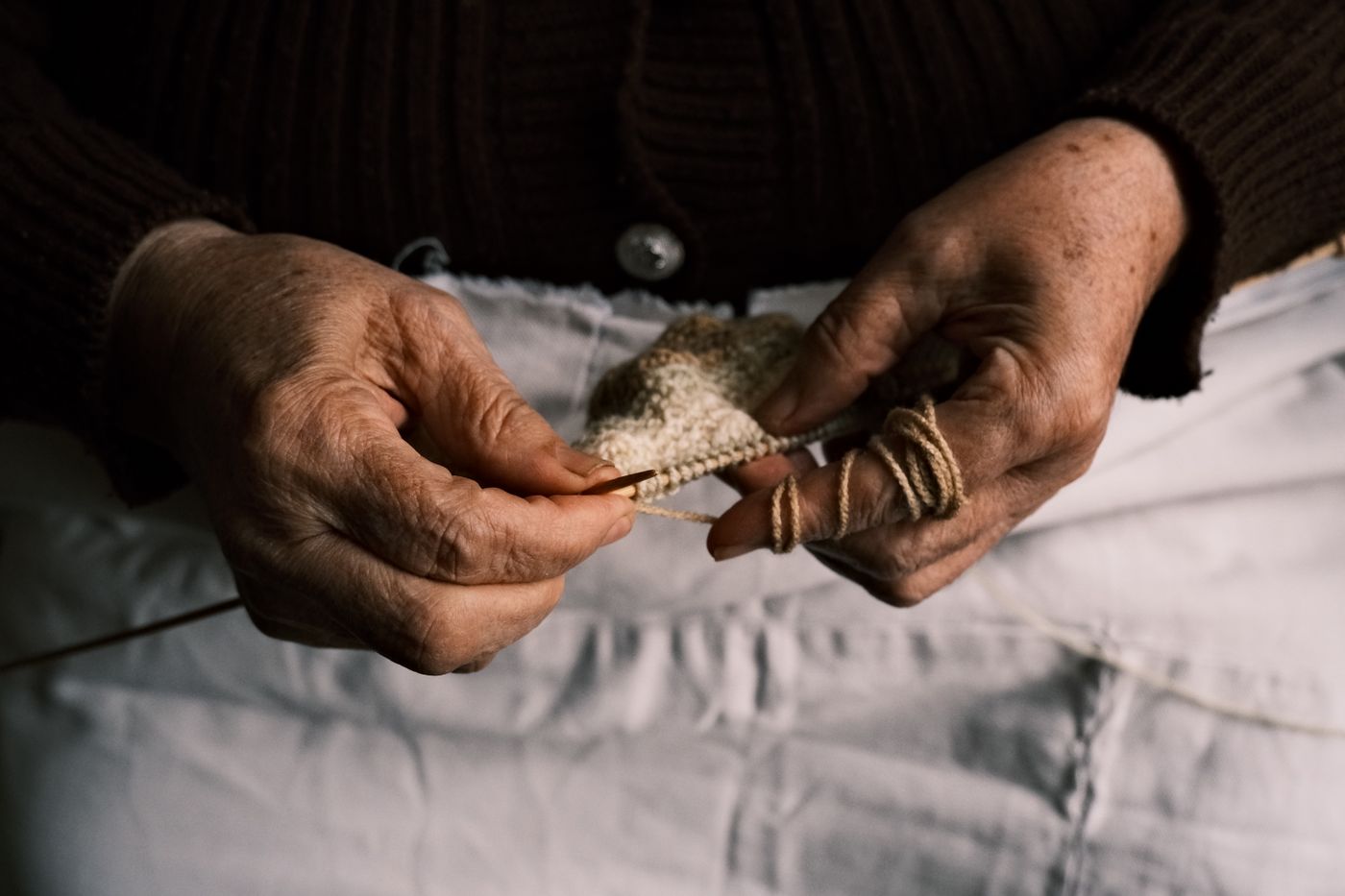
A favorite pastime can become harder to start when its materials are scattered or a helper puts an unfinished project away in the wrong place. A small amount of organization can make the next session easier to begin. Start with what the person wants to do, using supplies they already know.
The National Institute on Aging’s activities guide encourages choosing meaningful interests and finding a comfortable balance. This article focuses on the practical setup of one hobby. It does not prescribe an activity, evaluate someone’s abilities, or promise a health outcome.
Ask what part of the hobby they enjoy
Someone may enjoy selecting yarn more than finishing a garment, looking through a stamp collection more than rearranging it, or sketching without producing a finished picture. Ask what makes the activity pleasant before proposing a new storage system or a project deadline.
Offer a concrete choice: “Would you like the current project left together, or would you prefer to choose something different next time?” Avoid choosing a simpler activity solely because of the person’s age. Let them describe what assistance, if any, they want.
Gather only the agreed materials
Pick one project and identify the items that belong with it. Keep its pattern, reference sheet, or instructions alongside the supplies. Do not mix similar-looking materials from different projects or discard old notes because they appear untidy.
Use an existing container if it suits the person. Check that they can identify it and want it in the proposed location. Store tools and supplies according to their instructions and the household’s needs; this organizational exercise is not a reason to move sharp tools, chemicals, or other items into an unsuitable place.
Make a pause point that means something
An unfinished project often needs a reminder of where its owner stopped. Ask what would be useful: a bookmark, the relevant instruction page, or a brief note in their own words. Do not move markers or alter the work to make it look more complete.
Illustrative project card: “Blue scarf; owner paused at the marked instruction; matching yarn in the same bag; ask before moving the marker; owner chooses when to continue.” A card should explain the project’s current state, not grade the person’s progress.
Define the helper’s role
Agree on a few ordinary tasks, such as bringing the container to the table, finding a named supply, or returning materials afterward. A helper should ask before taking over a step the person enjoys doing. If instructions are unclear, leave the question open rather than improvising a technique on their behalf.
During a shared session, conversation and company can be the whole point. Allow an early finish, a change of project, or a quiet break. There is no requirement to fill a scheduled hour or complete a particular number of pieces.
Put things back with the owner
Check what should stay together, where the project will rest, and whether the pause note still makes sense. If several relatives help, give them the same short instruction about returning the container. Keep private collection details or valuable-item locations out of public messages.
For a pastime built around reading, our guide to asking about large print, audio, and e-books offers a separate way to compare formats. The useful result here is modest: the person recognizes their project, can choose whether to continue, and knows what help is available.
Valiynt Health Group is preparing to offer Personal Assistance Services in Texas. Its HCSSA license is pending. Services are not available, and Valiynt is not accepting clients.