
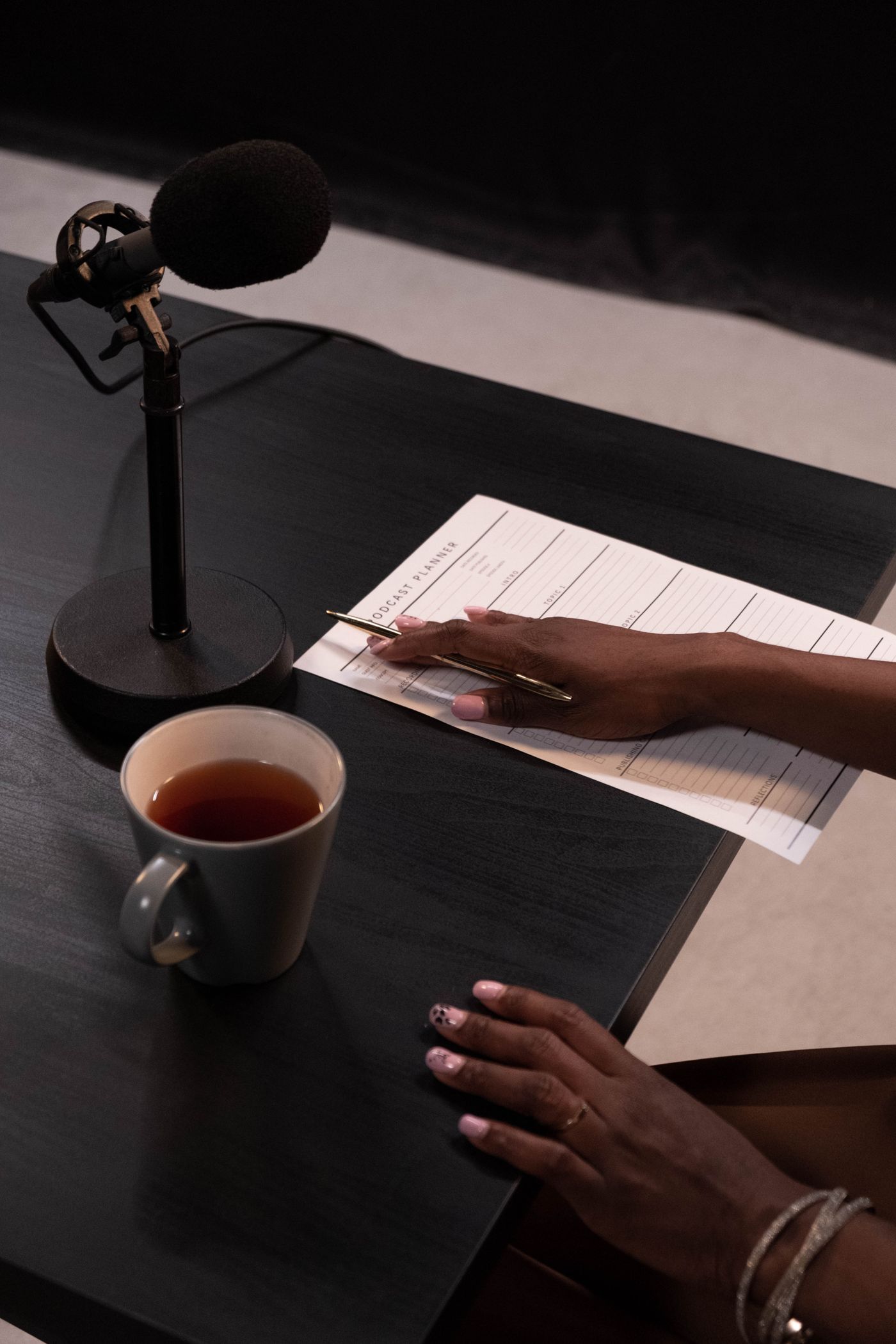
A short recording of someone telling a favorite story can preserve their voice, pauses, and way of describing an event. It does not need to become a public podcast or a complete family history. Start with one story the person wants to tell and a clear agreement about who may hear it.
Before recording, explain where the file will be kept and how the person can review it. Permission to talk is different from permission to record, transcribe, or share. If they prefer an unrecorded conversation, that is a complete and worthwhile choice.
Agree on a small recording session
Offer a topic rather than a quiz: “Would you like to tell us about a place you enjoyed visiting?” Let the storyteller choose the subject and skip questions. Agree on a comfortable stopping point, and keep the recording device visible. Avoid surprising someone with an already-running recorder.
Use a device and recording app the household already understands. Make a short test with permission, play it back, and check that the voice can be heard. A special microphone is optional; organizing a family story should not begin with buying equipment.
Leave uncertainty in the story
Do not interrupt every approximate date to seek a definite answer. A person can say they are unsure. If different relatives remember the event differently, keep each account attributed to its speaker rather than editing them into a single supposedly settled version.
Avoid prompting for private information about other people. Stop the recording when asked. If an unwanted detail is captured, discuss what should be removed or withheld before making any sharing copy. The storyteller’s comfort matters more than finishing an interview outline.
Give the file a useful identity
The Library of Congress guide to personal digital audio recommends selecting recordings worth keeping, using descriptive names and supporting information, organizing them, and keeping copies in different places. The family worksheet below applies those preservation ideas to one agreed story.
- Recording reference: a simple label such as Story-01.
- Speaker and topic: the name they want used and a brief description.
- Recording date: distinct from the date of the event being described.
- Review status: awaiting review or approved for the stated audience.
- Sharing boundary: the people or private family group agreed upon.
- File location: where the original and permitted copy can be found.
Separate the recording from later notes
Keep the original file separate from an edited listening copy. Label a written summary as a summary. If you make a transcript, compare it with the recording and mark unclear words instead of guessing. Automated transcription can introduce errors, especially with names; check the tool’s privacy choices before sending a private recording to it.
For example, “Story-01: recollection of a childhood train journey; event year uncertain; recorded on [date]; family listening copy approved” distinguishes the event from the recording session. A related photograph can use the same reference. Our family photo-labeling guide explains how to preserve uncertain image descriptions.
Test the copy before calling the project complete
Open the saved file and its agreed backup, listen to a sample, and check that the note points to the right recording. Review the selected sharing copy with the speaker. Keep unfinished or unreviewed recordings clearly labeled. The finished result can be just one private, well-described story that the family can find again.
Valiynt Health Group is preparing to offer Personal Assistance Services in Texas. Its HCSSA license is pending. Services are not available, and Valiynt is not accepting clients.